Table of contents
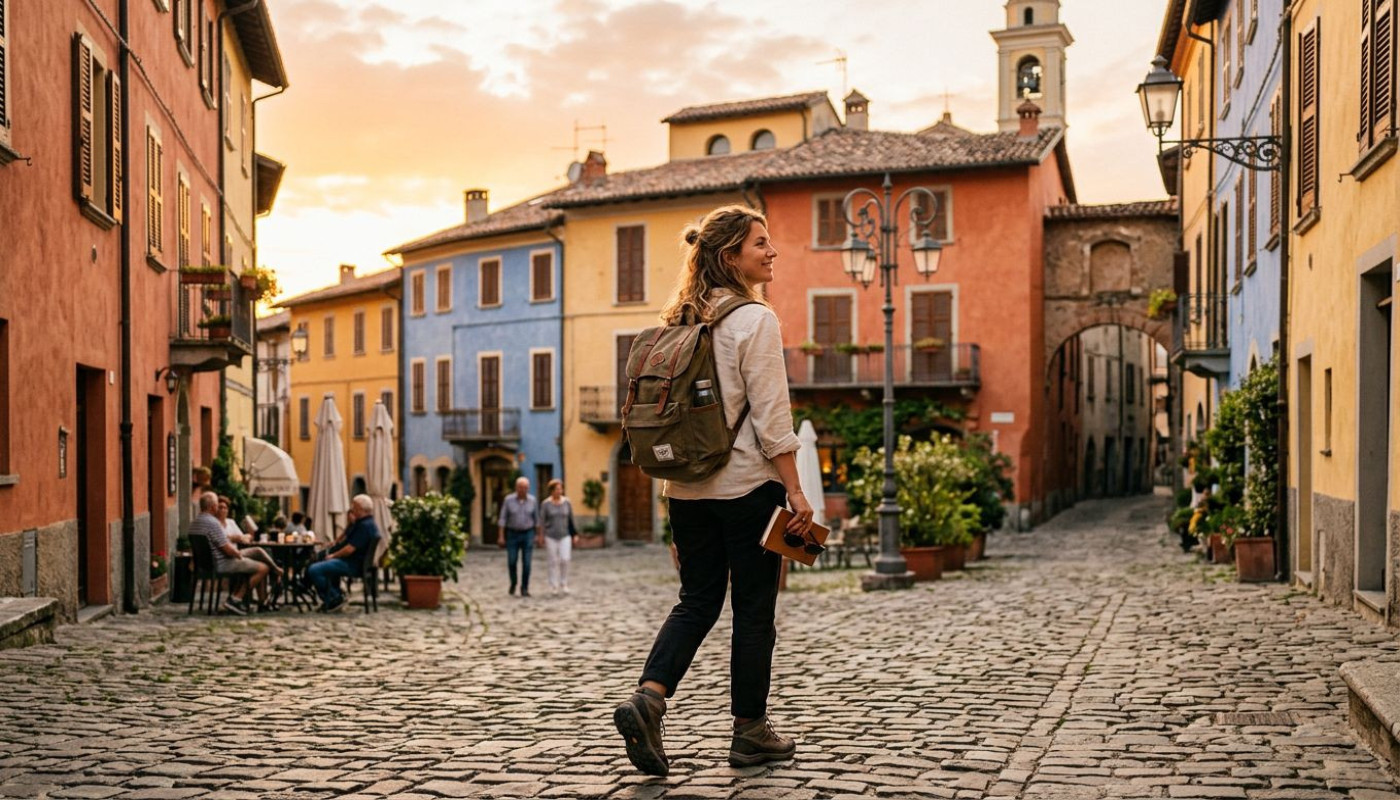
From Kyoto’s backstreets to the Adriatic’s quieter coves, a new travel mood is taking hold, and it is starting to show up in booking data, policy choices, and even the way destinations market themselves. After years of “see-it-all” itineraries powered by cheap flights and list-driven social media, more travelers are choosing fewer stops, longer stays, and deeper local contact. The shift, often bundled under “slow travel”, is no longer a niche preference, it is reshaping how places manage crowds, protect housing, and compete for tourism revenue.
Longer stays, fewer stops: the numbers
Not a vibe, a measurable pivot. Across major markets, travel behavior is tilting toward length over volume, and destinations are reacting because the economics change when visitors linger. European Travel Commission surveys in recent seasons have repeatedly shown strong intent to take longer holidays, while reducing the number of trips or cities covered, and platforms that publish trend reporting have pointed in the same direction: more bookings that stretch beyond a week, more interest in “work-from-anywhere” flexibility, and more demand for rentals with kitchens and reliable Wi‑Fi rather than hotel turnover. Even where exact figures vary by country and methodology, the direction is consistent: the growth in “nights” is outpacing the growth in “arrivals” in several destinations that have pivoted toward higher value, lower intensity tourism.
That distinction matters because overtourism is rarely just about total visitor numbers, it is about compression in time and space. When thousands of people arrive on the same days, follow the same must-see routes, and leave within 24 to 48 hours, pressure spikes on transport, sanitation, and public space, and the economic benefits leak away to a narrow set of businesses. A traveler who stays ten nights tends to shop for groceries, use local services, book a guide for a day rather than a selfie stop, and disperse spending over a wider area. For destination managers, that can mean fewer busloads at peak hours, less friction with residents, and a more predictable tourism economy that supports year-round jobs.
It also changes what “success” looks like. Cities and regions are increasingly tracking indicators beyond headline arrival counts, including average length of stay, occupancy spread across seasons, and the ratio of repeat visitors, because those metrics correlate more closely with resident tolerance. The slow travel model, in other words, nudges policy away from chasing volume at all costs, and toward managing carrying capacity, protecting neighborhoods, and keeping the visitor experience coherent even under pressure.
Cities push back, regions lure slow
The backlash is real, and it is legislative. Several high-profile destinations have moved to curb the most disruptive forms of short-term tourism, and the policy headlines tell a story of governments trying to re-balance daily life with visitor demand. Amsterdam has long pursued measures to reduce nuisance tourism, Venice has experimented with a day-tripper fee tied to peak flows, and Barcelona has tightened rules around short-term rentals, arguing that uncontrolled tourist housing worsens affordability and erodes community fabric. The details differ, but the political logic is shared: when a destination feels “overrun”, authorities do not just market differently, they regulate differently.
At the same time, many regions are courting the opposite profile: visitors who arrive with time, curiosity, and respect for local rhythms. National and regional tourism boards have been spotlighting rail routes, secondary cities, shoulder-season itineraries, and “stay longer” messaging, because dispersal is easier to sell than restrictions. Rural areas and small coastal towns, often hit hard by seasonal volatility, see clear upside in travelers who remain for two weeks, take cooking classes, hike, visit vineyards, and return outside the peak months. This is where slow travel becomes strategic: it is not only a personal philosophy, it is an economic development tool.
Yet the transformation is not automatic, and the risks are visible. If slow travel simply shifts pressure from crowded capitals to fragile villages without infrastructure, it can reproduce the same tensions in a new location. Local transport capacity, waste management, water supply, and emergency services matter more when visitors spread into less-equipped areas. The most credible destination strategies therefore combine marketing with guardrails: visitor caps in sensitive sites, investment in public transit, and community consultation that treats residents as stakeholders rather than scenery.
What travelers now value on the ground
It starts with a simple question: what feels like a good trip now? After a period shaped by pandemic disruption, remote work normalization, and a broader cost-of-living squeeze, many travelers are prioritizing reliability, calm, and meaning over maximal checklists. Slow travel tends to emphasize walkable neighborhoods, train and ferry connections, local food markets, and time for unplanned encounters, and that preference shows up in the way people research trips, choosing fewer “top ten” lists and more practical guides on weather, shoulder seasons, and community etiquette.
The itinerary itself changes. Instead of changing hotels every two nights, slow travelers anchor in one place, take day trips, and learn the geography: which beach is sheltered from afternoon winds, which bakery is open on Sundays, how to reach a trailhead without renting a car. That kind of knowledge deepens satisfaction, and it often reduces costs, because cooking occasionally and minimizing transfers can offset higher nightly rates. It also tends to lower the trip’s environmental footprint, particularly when rail replaces short-haul flights and when long stays reduce the emissions and resource use associated with constant movement.
Destinations that fit this profile are gaining attention, especially where landscapes, culture, and logistics align. Along the Adriatic, for example, travelers increasingly look beyond headline hotspots and seek places where they can combine coastline with inland villages, hiking, and heritage towns, and where a week feels like a minimum rather than a luxury. In that context, Montenegro has emerged in many conversations as a compact country that rewards slower pacing, from Bay of Kotor walks to mountain drives and lake-side stays, and readers who want a practical sense of routes, seasons, and on-the-ground options can find out how to structure a trip that prioritizes time over ticking boxes.
The business of going slower is booming
Follow the money, and the trend looks structural. Longer stays reshape demand for accommodation types, tour formats, and local services, and businesses that adapt early are capturing more value per visitor. Vacation rentals and aparthotels benefit when travelers want kitchens and laundry, while smaller hotels can compete by offering neighborhood knowledge and partnerships with local guides. Tour operators, too, are redesigning products: fewer “ten cities in seven days” packages, more multi-day walking routes, craft workshops, food-and-wine itineraries, and nature-focused trips with smaller groups.
Airlines and airports do not disappear from the equation, but they are no longer the only gatekeepers. Rail operators, ferry lines, and regional bus networks become more central when travelers move less and explore more locally. That creates opportunity for secondary hubs that were previously bypassed, and it rewards places that invest in connectivity: clear timetables, integrated ticketing, and signage that makes arrival frictionless. In practical terms, the destinations winning slow travel are often those that make the first 30 minutes easy, because a traveler who arrives tired and confused is less likely to stay curious and respectful.
There is also a reputational dividend. As residents across Europe and beyond voice fatigue with crowding, destinations that position themselves as “liveable first” can protect their brand. Businesses have learned that visitor satisfaction is increasingly tied to authenticity and ease, not simply to iconic sights. A calm café that locals still use, a hiking path that is well maintained, a museum that is not overwhelmed, these details become competitive advantages. Slow travel, then, is not about doing less for the sake of it, it is about designing tourism that can survive its own popularity without hollowing out the places people come to see.
Planning it well, without overspending
Slow travel rewards smart logistics. Booking fewer bases early can secure better rates, especially for stays of seven nights or more, and travelers should compare accommodation policies that offer weekly discounts, flexible cancellations, and clear cleaning fees. Budgeting often becomes simpler: allocate more to one or two meaningful experiences, such as a guided hike or a local cooking class, and reduce spending on constant transfers. Check local and national transport passes, and look for shoulder-season pricing, when weather remains pleasant but demand drops.
Similar
Why Slow Travel Is Rewriting The Rulebook For Unforgettable Excursions
When Advice From Locals Rewrites Your Entire Travel Plan

Packing Mistakes Seasoned Travelers Secretly Confess

Exploring hidden gems in the South of France off the beaten path destinations and secret spots
