Table of contents
Too many trips now feel like speed-runs: airport, landmark, selfie, repeat, and somehow you return home more tired than inspired. Against that churn, slow travel is no longer a niche ideal for long sabbaticals, it is becoming a mainstream response to rising costs, overcrowded hotspots, and the quiet frustration of “seeing everything” while remembering little. Travelers are trading breadth for depth, choosing fewer bases, longer stays, and experiences that hinge on time, not ticks on a checklist, and the industry is adjusting fast.
Less checklist, more lived-in days
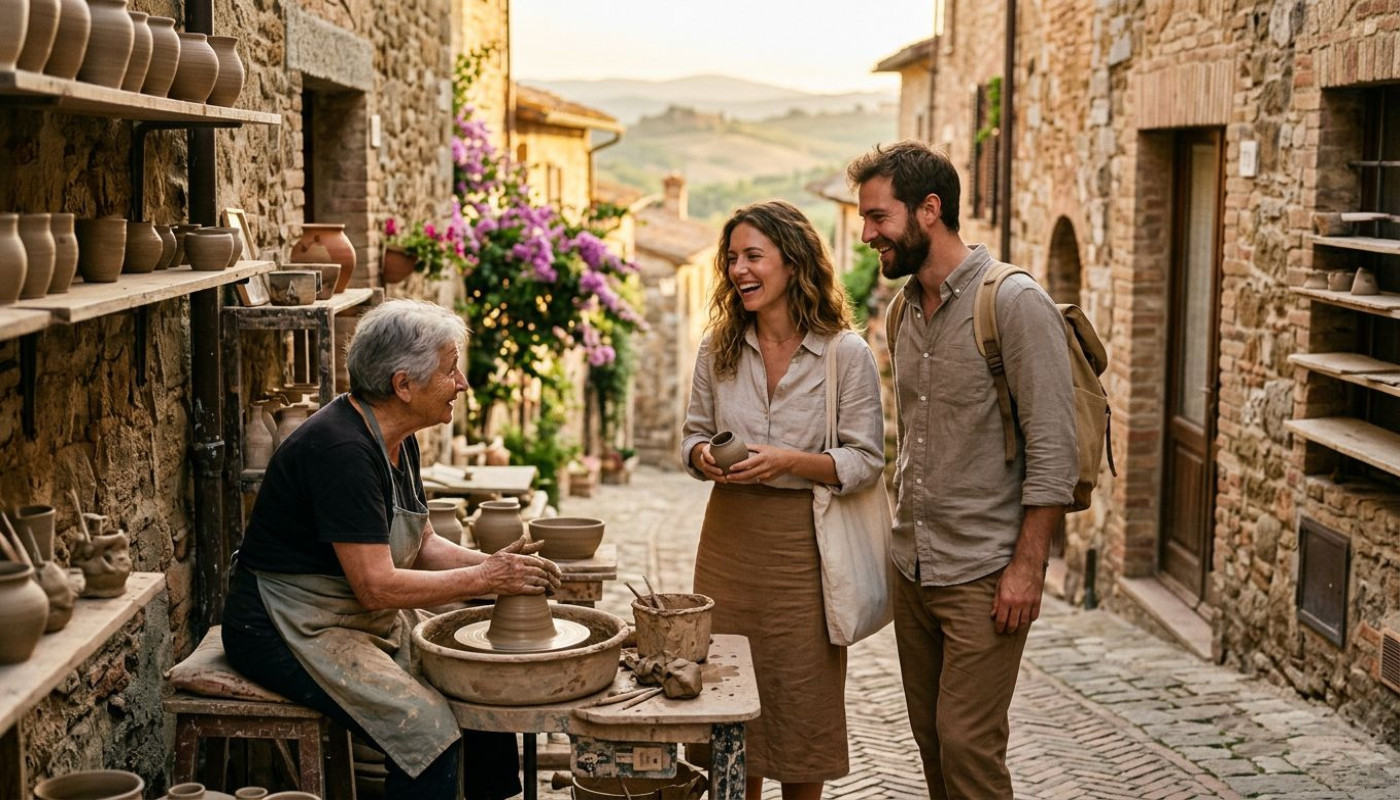
What if the best souvenir is familiarity? Slow travel flips the conventional itinerary on its head by treating a place less like a collection of attractions and more like a temporary home, and that shift changes behavior in measurable ways. Longer stays typically reduce the number of transport legs, which often represent a major share of a trip’s cost and emissions, and they push spending toward neighborhoods rather than “sight corridors.” In practice, that means more breakfasts at the same café, more conversation with shopkeepers, and more time to understand rhythms that day-trippers rarely notice: when the market actually comes alive, which streets empty after commuter rush, where locals linger at dusk.
Data points across the travel ecosystem underline how structural this change has become. Booking platforms have reported steady growth in extended stays since the pandemic years, and many destinations have seen shoulder-season demand strengthen as travelers aim to avoid peak congestion while staying longer once they arrive. Airlines, rail operators, and urban authorities are also reacting to overtourism pressures, from timed entry systems to visitor caps at fragile sites, and these constraints indirectly reward travelers who can be flexible with time rather than fixed on a rigid list. The result is a travel style that is not simply “slower,” it is more adaptive, and it often produces the kind of vivid recall that comes from repetition: returning to the same viewpoint in different light, hearing the same call to prayer drift across a neighborhood more than once, or understanding how a city’s mood changes between weekday and weekend.
Cities are rewarding travelers who linger
The crowd is moving, but so are the rules. In many popular destinations, the most intense pressures now land on historic cores and a handful of Instagram-famous sites, and local policymakers increasingly want visitors to disperse, stay longer, and spend more evenly. That is one reason why slow travel aligns with how cities are trying to manage tourism in 2026: not by shutting the door, but by smoothing the peak and spreading the footprint. Timed tickets, reservation systems, and cruise day restrictions have become more common in several European cities, while others promote district-level itineraries that pull travelers beyond the obvious landmarks.
For travelers, the payoff is practical as well as emotional. Lingering gives you more control over when you see “musts,” and it makes it easier to build a day around low-friction moments: early entry before the tour buses, late afternoons when crowds thin, or rainy mornings when a museum visit feels like a gift rather than an obligation. It also encourages smarter logistics, like choosing accommodation near everyday amenities instead of only near headline sights, then walking or using public transport as locals do. If a city is adjusting to the pressures of volume tourism, slow travel is the individual strategy that makes those adjustments work for you, because it turns the destination’s constraints into a planning advantage rather than a constant stressor.
In Istanbul, time changes the city
Stay two days, you get postcards; stay longer, you get layers. Istanbul is a textbook case of why time matters, because the city does not reveal itself all at once, and its most memorable scenes often sit between the marquee landmarks. Yes, there is the grandeur of Hagia Sophia and the Blue Mosque, and the grandeur is real, but Istanbul’s pull also lives in the everyday choreography: ferries sliding across the Bosphorus at commuter hours, the sudden hush of a side street off İstiklal, the way neighborhoods like Balat or Kadıköy feel like separate cities with their own tempo. Slow travel lets you see those contrasts without sprinting, and it makes room for the kind of unplanned discovery that turns a trip into a story.
It also changes how you approach excursions. Rather than stacking sights until the day collapses, travelers can build a small number of well-chosen outings, and leave breathing room around them, which is where Istanbul excels: a half-day on the water, a food-focused wander that follows appetite rather than a map, a hammam visit booked for the quiet part of the afternoon. For those planning a more deliberate stay, it can be useful to browse options and reserve key experiences in advance through https://www.istanbul-trip.com, especially in high season when guided entry times, boat capacity, and language-specific tours can fill up. The point is not to over-plan, it is to protect the handful of moments that benefit from structure, so the rest of the week can remain loose enough to follow the city’s cues.
The new rulebook is simple: plan less, book smarter
Can fewer plans deliver more memories? Slow travel is rewriting the rulebook by separating what must be booked from what should be left open, and that distinction is becoming increasingly important as destinations juggle demand and preservation. In practical terms, the “book smarter” approach means reserving the limited-capacity experiences that can derail a day if missed, then building the rest of the itinerary around flexible, low-stakes pleasures: parks, neighborhood walks, local markets, and repeat visits to a favorite viewpoint. That structure creates a calm backbone, and it also reduces the cognitive load that makes some travelers feel as if they are constantly failing their own itinerary.
Budget logic supports the shift. Fewer intercity transfers can lower costs, longer stays often unlock better accommodation rates, and traveling in shoulder seasons can stretch a trip without downgrading quality. It also nudges spending toward things that age well in memory, like a cooking class, a small-group ferry ride, or a guided walk that turns a complex city into an intelligible one. The “unforgettable excursion” is no longer defined by how far you went or how many boxes you ticked, it is defined by how present you were, and by whether the day had enough time to breathe. In that sense, slow travel is not an aesthetic trend, it is a pragmatic response to modern travel’s biggest problems: crowds, cost, and fatigue.
Make it work: dates, budget, and reservations
Choose one base, then add two or three standout bookings. Aim for shoulder season when possible, set a daily budget that prioritizes experiences over transfers, and reserve only what has limited capacity or strict time slots. Many cities offer museum passes or transit cards, and some travelers may qualify for youth, student, or senior discounts; check eligibility early so savings shape the plan, not the other way around.
Similar
When Advice From Locals Rewrites Your Entire Travel Plan
Why Slow Travel Is Reshaping Our Favorite Destinations

Packing Mistakes Seasoned Travelers Secretly Confess

Exploring hidden gems in the South of France off the beaten path destinations and secret spots
